Wonosobo Siaga Bencana: Polres Rilis Protokol Keamanan
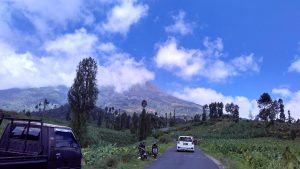
Wonosobo, a picturesque region located in Central Java, Indonesia, is known for its breathtaking landscapes, including the Dieng Plateau and various mountainous terrains. However, its natural beauty is accompanied by vulnerabilities to disasters, particularly those caused by geological and meteorological factors. To enhance community resilience, the Wonosobo district police (Polres Wonosobo) have released a comprehensive security protocol aimed at disaster preparedness and response.
Understanding the Geographic Context
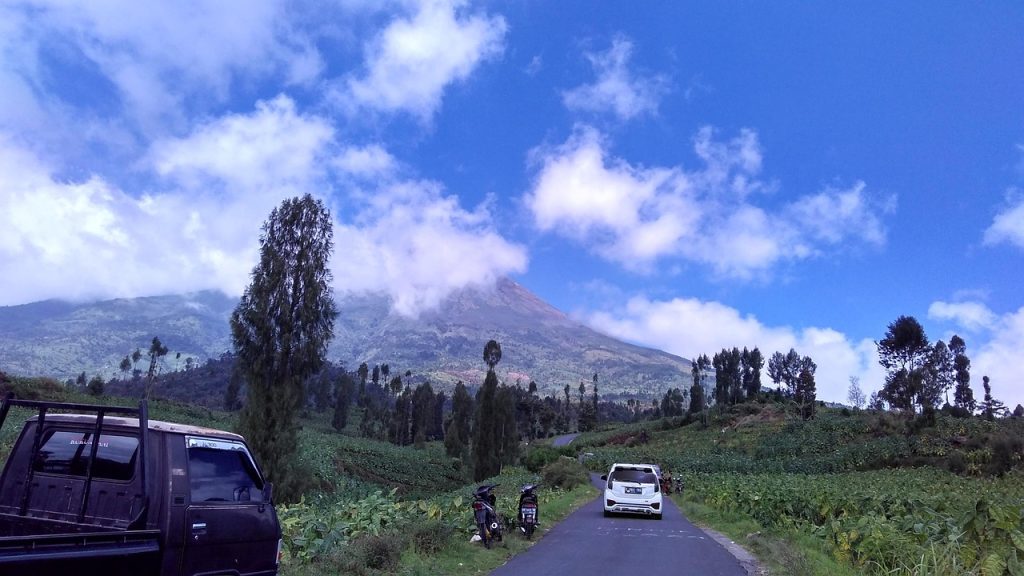
Wonosobo’s geographical landscape contributes significantly to the risks it faces. Surrounded by mountains, this area is prone to landslides, especially during the rainy season. The frequent seismic activities in Java also raise concerns regarding earthquakes and volcanic eruptions, particularly from the neighboring Merapi and Sindoro mountains. The Polres Wonosobo’s initiative incorporates the region’s unique risks into its disaster management strategy.
Key Components of the Wonosobo Disaster Protocol
The newly released disaster protocol by Polres Wonosobo outlines comprehensive measures for preparedness, response, and recovery, integrating community involvement and technology. The following sections detail essential components of the security protocols.
1. Risk Assessment and Mapping
One of the critical first steps in disaster management is identifying potential hazards. The Polres Wonosobo collaborates with local government, NGOs, and community leaders to develop a detailed risk assessment. This involves mapping vulnerable areas most at risk of landslides, floods, and seismic activities. The resulting disaster risk map serves as a resource for residents and local authorities.
2. Community Training and Drills
Enhancing community awareness and preparedness is central to the disaster protocol. Polres Wonosobo organizes regular workshops, seminars, and simulation drills to educate communities about potential threats and appropriate response strategies. This training provides residents with knowledge on how to prepare emergency kits, create communication plans, and conduct evacuations.
3. Establishment of Early Warning Systems
The implementation of early warning systems (EWS) is another significant aspect of the protocols. Utilizing both technology and traditional communication methods, Polres Wonosobo has installed warning infrastructures such as sirens and notification systems. Training local communities on these systems ensures swift responses to impending disasters, reducing panic and confusion during emergencies.
4. Emergency Response Teams
Polres Wonosobo is actively forming and training Emergency Response Teams (ERTs) composed of local volunteers. These teams are designed to assist during disaster events by conducting search and rescue operations, providing first aid, and facilitating communication between the community and emergency services. The involvement of trained locals ensures that response efforts are timely and culturally competent.
5. Resource Allocation and Logistics
An effective disaster response also relies on the efficient allocation of resources. The disaster protocol includes strategies for logistical support, such as the establishment of emergency supply points and the pre-positioning of essential supplies like food, water, medicine, and shelter materials. Local businesses and stakeholders are encouraged to contribute to these efforts, fostering a spirit of communal support.
6. Community Engagement and Volunteering
Community engagement is vital for the success of any disaster response plan. Polres Wonosobo invites local residents to actively participate in disaster preparedness activities. Volunteering opportunities are provided, allowing community members to become part of the emergency response framework. Engaging youth, school students, and local organizations fosters a culture of preparedness.
7. Continuous Review and Improvement
The dynamics of disaster risks are constantly evolving, prompting the Wonosobo police to commit to the regular review of their disaster protocols. This ongoing process includes gathering feedback from community members and assessing the effectiveness of drills and response actions after actual events. Adaptations based on lessons learned ensure that the disaster management strategies remain relevant and effective.
The Role of Technology in Disaster Management
Modern technology plays a pivotal role in enhancing disaster response capabilities in Wonosobo. The adoption of mobile applications and online platforms serves to facilitate communication regarding ongoing threat levels and emergency notifications. These technologies enable residents to receive real-time updates and alerts, maximizing community awareness.
Collaborations with Non-Governmental Organizations
The active role of NGOs in disaster management cannot be overstated. Through partnerships with organizations specialized in disaster relief, Polres Wonosobo gains access to expert training materials, funding opportunities, and additional resources. These collaborations also provide access to wider networks of support, ensuring a well-rounded approach to disaster preparedness and response.
Cultural Sensitivity in Disaster Management
The unique cultural context of Wonosobo necessitates a sensitivity towards local customs and traditions in disaster management practices. Polres Wonosobo has worked diligently to incorporate these cultural values into their training and response efforts. Engaging community leaders to promote culturally appropriate practices enhances compliance with safety measures and instills confidence in governmental initiatives.
Conclusion of Local Initiatives
The launch of the Wonosobo disaster protocol by Polres Wonosobo is not merely a bureaucratic measure; it reflects an urgent call to protect lives, property, and the community’s way of life. By integrating risk assessment, community training, technological tools, and collaborative efforts, Wonosobo is taking significant strides towards resilience against disasters. Such proactive measures, underpinned by local participation and expert guidance, serve as a blueprint for disaster risk reduction that other regions may look to emulate.